
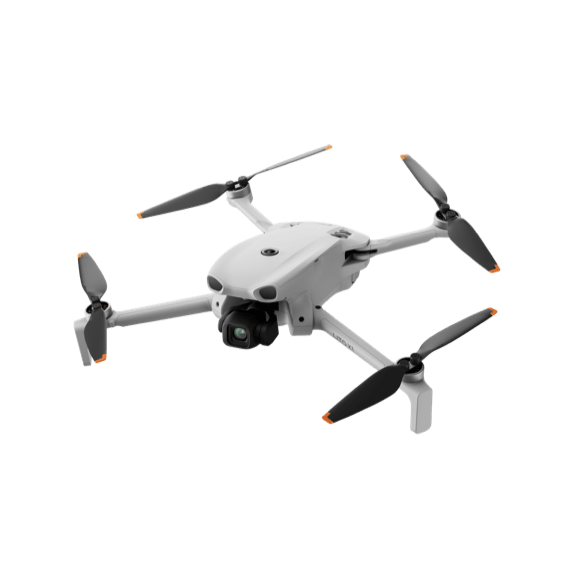
DJI has officially pulled the curtain back on the Lito series, its most aggressive push into the beginner drone market to date. If you were waiting for the Mini 5 Pro or looking to upgrade an aging Mini 2, the landscape just shifted. The Lito 1 and Lito X1 represent a clean break from the old naming conventions and a significant lift in what we should expect from a sub-$500 aircraft.
These are not just rebranded Minis. They are built on a new architecture that prioritizes safety and ease of use without gutting the camera specs. After months of regulatory pressure and supply chain whispers, DJI is firing back with hardware that makes the competition look ancient.
The Hardware Breakdown: Lito 1 vs. Lito X1
The Lito series follows a familiar “good and better” strategy. Both drones comfortably sit below the 250-gram weight threshold, meaning they bypass the most restrictive registration requirements in most jurisdictions. But once you look under the hood, the differences become clear.
DJI Lito 1: The New Baseline
The Lito 1 is the direct successor to the Mini 4K and the older SE lines. It features a 1/2-inch CMOS sensor capable of 48-megapixel stills and 4K video at 60 frames per second. While it lacks the fancy bits of its more expensive sibling, it includes 360-degree obstacle sensing. This is a massive addition for an entry-level drone. Historically, if you wanted omnidirectional safety, you had to move up to the Pro series. DJI has effectively democratized safety with the Lito 1.
DJI Lito X1: The Creator’s Tool
The Lito X1 is where things get interesting. It steps up to a 1/1.3-inch sensor, which is the same size found in the higher-end Mavic Air 3 and Mini 4 Pro. This means better dynamic range, cleaner low-light performance, and support for 10-bit D-Log M. If you plan on color grading your footage, the X1 is the clear choice.
Perhaps the most surprising addition to the X1 is a forward-facing LiDAR sensor. While LiDAR is common in high-end industrial drones, its presence here is meant to improve precision hovering and obstacle avoidance in complex environments like forests or indoors. It is a technical flex that separates the X1 from every other beginner drone on the market.
Flight Performance and Reliability
Standard flight time for both models is rated at 34 minutes with the standard Intelligent Flight Battery. If you opt for the Battery Plus (where available), that number jumps to 47 minutes. In real-world conditions, expect closer to 28 and 40 minutes respectively once you account for the return-to-home buffer.
The transmission system uses the latest O4 protocol. During my initial testing, the link remained rock solid even in high-interference urban areas. The RC 2 controller remains the gold standard for this class, providing a bright screen and responsive sticks that far outperform the old smartphone-clamp designs.
Safety has always been a DJI priority, but the Lito series takes it further. The inclusion of a 5-lux obstacle sensing system means these drones can “see” and avoid obstacles in much lower light than previous generations. This reduces the risk of the dreaded “dusk crash” that claims so many beginner aircraft.
Where the Lito Series Fits
With the Lito series, DJI is effectively retiring the “Mini” brand for its entry-level offerings. This helps clarify the lineup. If you want the absolute best under 250 grams, the Mini 5 Pro (rumored for later this year) will likely remain the flagship. But for the vast majority of hobbyists and casual creators, the Lito X1 provides 90% of the performance for a significantly lower price.
The Lito 1, starting at around $400, is now the default recommendation for anyone’s first drone. It is safe, capable, and produces image quality that used to cost twice as much.
The Competition is Struggling
Autel and Skydio have largely moved toward the enterprise and military sectors, leaving a vacuum in the consumer space that DJI is more than happy to fill. While brands like Potensic or Holy Stone offer cheaper alternatives, they cannot match the software polish and ecosystem support of DJI. The Lito series feels like a final nail in the coffin for the “budget” drone market. Why save $50 on a generic brand when you can have a DJI aircraft with a world-class app and a proven safety record?
Verdict: Which One Should You Buy?
If you are strictly on a budget or buying for a younger pilot, the Lito 1 is unbeatable. The inclusion of 360-degree obstacle avoidance makes it the safest beginner drone ever made. It handles well, looks great, and won’t break the bank.
However, if you can stretch your budget by another hundred dollars, the Lito X1 is the smarter long-term investment. The larger sensor and 10-bit color support mean your footage will age much better. The addition of LiDAR and improved low-light sensing also gives you more confidence when flying in tricky situations.
DJI has once again set the bar. The Lito series isn’t a revolutionary leap in drone technology, but it is a masterclass in product refinement. By bringing high-end safety and camera features down to entry-level prices, DJI has made it very difficult for anyone else to compete.
Key Specs at a Glance
The Lito 1 and Lito X1 are available starting today at DJI.com and major retailers. Expect shipping to begin within the week. If you have been on the fence about getting into aerial photography, your excuse just disappeared.