
After ten years of bureaucratic silence, the Federal Aviation Administration (FAA) finally dropped a regulatory hammer this week. The agency released the long-overdue Notice of Proposed Rulemaking (NPRM) for Section 2209, a rule that fundamentally changes where you can fly a drone in the United States.
If you have spent any time in the industry, you likely know the term Section 2209. It has been the “coming soon” feature of drone regulation since the 2016 FAA Extension, Safety, and Security Act. While we waited, states tried to pass their own local “no-fly” laws, creating a legal patchwork that made compliance nearly impossible for professional pilots. Now, the FAA is reclaiming its authority over American airspace, but the cost to recreational and commercial freedom remains to be seen.
What is Section 2209?
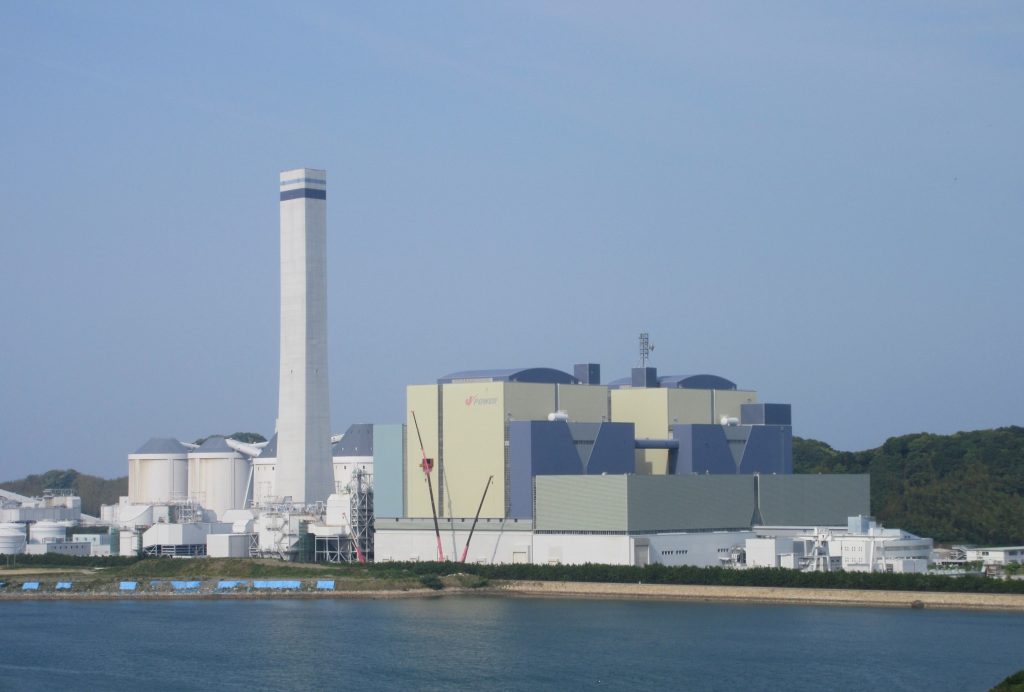
At its core, Section 2209 is a mechanism. It creates a standardized process for the owners or operators of “critical infrastructure” to apply for a flight restriction over their facilities. Under the proposed rule, the FAA would establish a formal application system where entities like power plants, oil refineries, chemical facilities, and even some large-scale public venues can request that the sky above them be declared off-limits to unmanned aircraft.
Until now, the FAA only granted these types of restrictions to military bases and a few high-priority government sites. For everything else, the agency generally maintained that if you were in the air, you were under their jurisdiction, not the property owner’s. Section 2209 effectively creates a massive list of new static “no-fly zones” that will eventually be hard-coded into your drone’s geo-fencing software.
Who Gets to Apply?
The list of eligible facilities is broad. According to the NPRM, the FAA will consider applications from:
- Energy production, transmission, and distribution facilities (power plants and substations)
- Oil and gas refineries and storage facilities
- Water treatment and storage systems
- Chemical manufacturing facilities
- State and local government buildings with high security needs
The inclusion of large-scale venues is particularly interesting. We have already seen the “Safer Skies Act” push for local law enforcement to have more control over drones near stadiums. This new FAA rule provides the federal framework to make those temporary flight restrictions (TFRs) a permanent reality for many high-traffic locations.
The Problem With “Sensitive” Airspace
The tension here is obvious. On one side, critical infrastructure operators are terrified of drone-delivered payloads or corporate espionage. On the other side, professional drone pilots rely on access to this same infrastructure for inspections, mapping, and journalism.
My concern is the potential for “over-inclusion.” If every local electrical substation and water tower becomes a restricted zone, the “permitted” sky for a Part 107 pilot begins to look like a piece of Swiss cheese. The FAA claims it will review every application to ensure the restriction is necessary for security, but we know how government agencies move once the floodgates open.
There is also the question of vertical height. The proposed rule suggests restrictions would generally apply from the ground up to 400 feet. This means that even if you are just passing through at a legal altitude, you could be in violation of federal law the moment you cross an invisible property line.
Professional operators use drones to save lives and millions of dollars in maintenance costs. If the application process for these restrictions does not account for authorized work, we risk grounding some of the most beneficial uses of the technology. The FAA needs to ensure that “restricted” does not mean “impenetrable” for the people actually doing the work.
The Push for Public Input
The FAA is opening a 60-day window for public comment. This is not just a formality. If you fly for a living, you need to read the NPRM and give them your take. The drone industry has a lot to lose if these rules are implemented without nuance.
Specifically, we need to ask about the “carve-outs” for legitimate operations. If a utility company hires you to inspect a power line, will you have to jump through a federal waiver process just to fly over their own property? The current draft is vague on how these permissions will be managed in real-time. We also need to consider the impact on recreational flyers. If you live in an urban area, a series of infrastructure restrictions could leave you with nowhere to fly within a thirty-minute drive.
Why This Matters Now
The timing is not a coincidence. This rule arrives just as the FCC moves to block new DJI and Autel drones from the market. We are seeing a concerted effort to tighten control over the American sky. By standardizing the “no-fly” application process, the FAA is preparing for a world with millions more drones, but they are doing it by reducing the amount of space where those drones can actually operate.
This represents a fundamental shift in how we view the National Airspace System. Historically, the sky has been treated as a public resource. Section 2209 effectively allows private and state entities to claim “sovereignty” over the air above their facilities. While the security arguments are strong, the precedent is a bit concerning for anyone who values the freedom of flight.
The Geofencing Reality
For most pilots, the first time you feel the impact of Section 2209 will be when your drone refuses to take off in a park that happens to be next to an “invisible” facility. We are moving toward a highly automated airspace where your flight controller, not your judgment, determines your boundaries.
This rule is a necessary step for security, but it is also a significant reduction in the openness of the National Airspace System. We have spent decades treating the sky as a public resource. With Section 2209, large portions of it are becoming private property once again.
The dream of “unrestricted flight” was always a bit of a fantasy, but the reality of the coming years looks increasingly restricted. Pilots need to stay engaged in the process now, or we will be forced to follow the rules that the infrastructure giants write for us. Stay informed, get your comments in, and keep an eye on the maps. The invisible fences are going up.