
GoPro built a global empire by strapping cameras to helmets, surfboards, and handlebars. If you wanted to capture a first-person view of a mountain bike descent or a skydive, a GoPro was the only tool for the job. But as the action camera market grew crowded and DJI began to dominate the drone integration space, GoPro faced a choice: keep refining the Hero line or build something entirely different. With the announcement of the Mission 1 series, they have chosen the latter.
Closing the Gap Between Action and Cinema
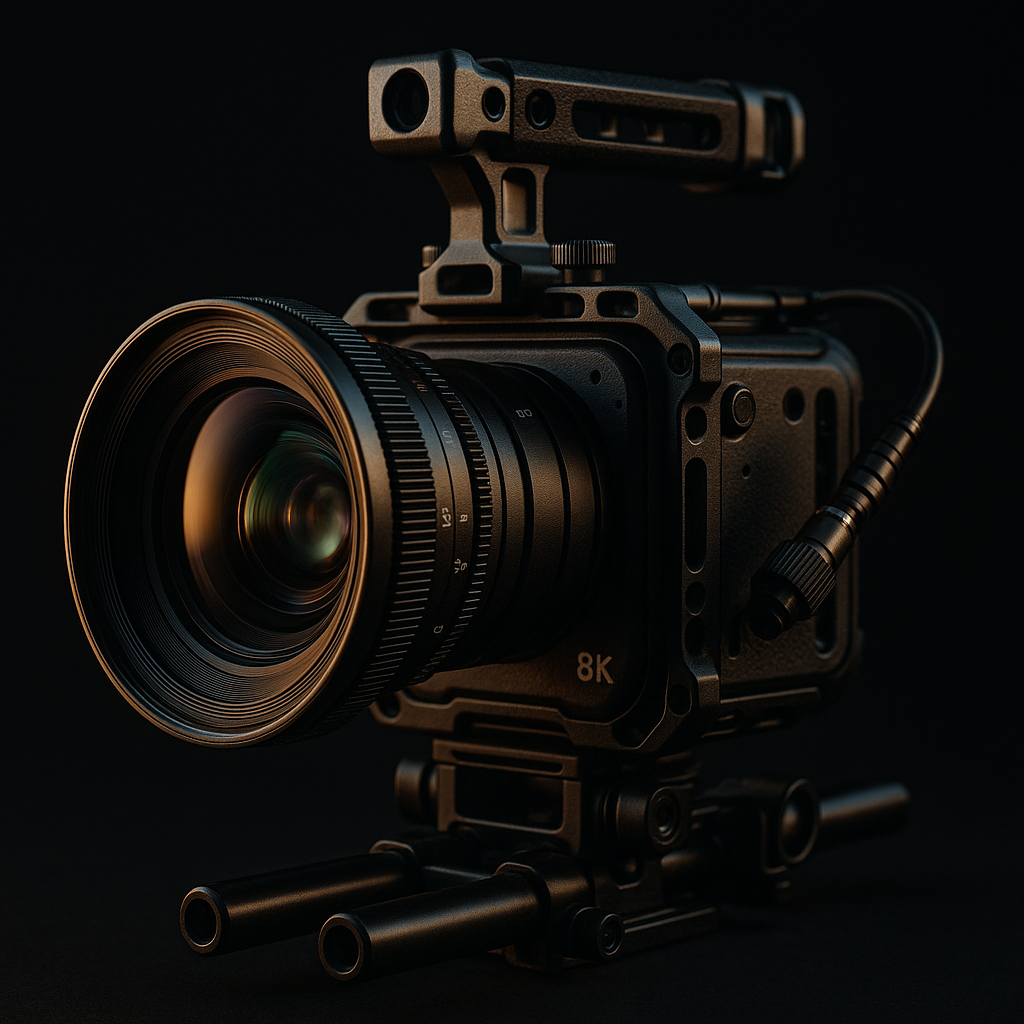
The Mission 1 series represents GoPro’s boldest attempt to date to bridge two worlds that rarely overlap. On one side are the ultra-portable, rugged cameras we know and love. On the other are professional cinema tools that typically require a small crew and a significant budget to operate. On paper, the Mission 1 is doing this with a level of firepower that feels almost disproportionate to its size.
At its core is a new sensor that moves away from the traditional, smaller action cam formats. While GoPro is keeping the exact physical dimensions close to its chest, the low-light performance and dynamic range suggested by the early footage indicate something far closer to a Micro Four Thirds or even a specialized APS-C sensor. This is a massive shift for a company that has spent years squeezing every possible pixel out of tiny glass.
Hardware Redesigned for the Sky
While the Hero line is often used on drones, it was never strictly built for them. It was built for humans. The Mission 1 flips that script. The body features integrated mounting points that skip the need for plastic cages or flimsy thumb screws. It is designed to be bolted directly to a carbon fiber frame or a custom gimbal rig. This rigid mounting is essential for the high-end stabilization features GoPro is baking into the software.
For drone pilots, the most exciting part might be the connectivity. The Mission 1 includes a dedicated port for remote control via flight controllers. This means you can trigger recording, change settings, and even adjust exposure mid-flight using your radio transmitter. No more landing because you forgot to press record or because the sun came out and blew out your highlights.
The Software Engine: HyperSmooth Pro 2.0
Stabilization has always been GoPro’s secret weapon. HyperSmooth changed how FPV pilots flew by making even the most aggressive maneuvers look like they were filmed on rails. The Mission 1 introduces HyperSmooth Pro 2.0, which uses a combination of upgraded gyro sensors and AI-driven processing to iron out vibrations that would normally ruin a professional shot.
But the real trick is the look of the footage. Traditionally, action cameras have a very specific, digital feel. They often look over-sharpened and too saturated. The Mission 1 uses a new color science engine designed to mimic the natural roll-off and skin tones of high-end cinema cameras like RED or Arri. When you shoot in its native Log format, the flexibility for color grading is light-years ahead of what we have seen from previous generations.
Why This Matters for the Industry
The drone industry is currently in a state of flux. On one hand, you have massive, expensive rigs like the DJI Inspire 3 or custom cinelifters that carry heavy cameras. On the other, you have small FPV drones that take great flight videos but lack the image quality for serious commercial work. The Mission 1 sits right in the middle.
If a filmmaker can get 90% of the image quality of a heavy cinema camera from a device that weighs a fraction of the amount, everything changes. It means smaller drones, longer flight times, and less risk when flying over expensive sets. It also lowers the barrier to entry for independent creators who want that professional look without the six-figure equipment bill.
Is the Hero Brand Dead?
Not even close. The Hero line will likely continue to be the consumer workhorse. It is durable, waterproof, and perfect for a holiday. But the Mission 1 signals that GoPro is no longer content being just a consumer brand. They are hunting for the professional market, and they have built a tool that is hard to ignore.
There are still questions, of course. Battery life in such a small, powerful unit is always a concern. Thermal management when shooting 8K at high frame rates is another. If GoPro can solve those engineering hurdles, the Mission 1 won’t just be another camera in the bag. It will be the only one you need to bring to the field.
Conclusion: A New Chapter for Aerial Cinematography
The Mission 1 is more than a product release. it is a statement of intent. For years, the professional drone world has been forced to choose between portability and image quality. GoPro is betting that with the right sensor and the right software, you can have both. As these units start to hit the hands of creators later this month, we will see if the reality lives up to the ambitious promise. One thing is certain: the sky just got a lot more interesting.