
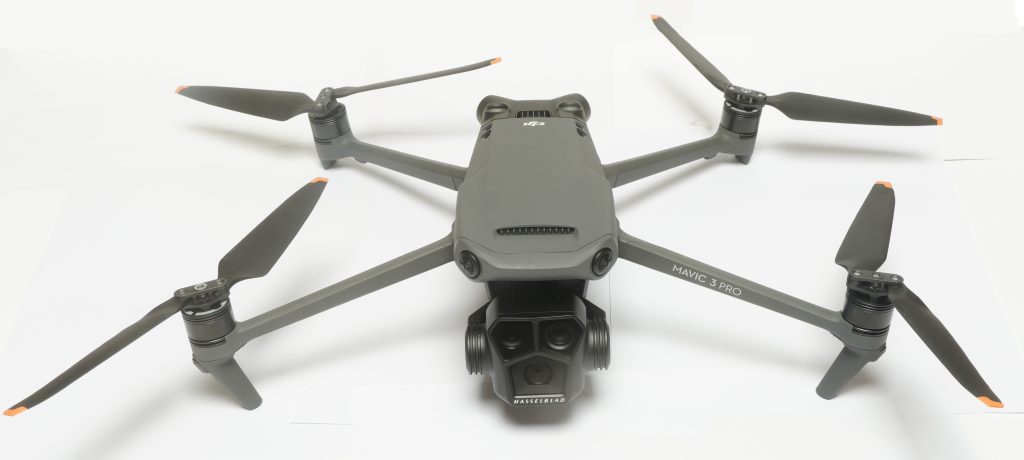
If you are heading to the United States for a holiday and want to bring your drone along, the short answer is yes, you probably can. But the longer answer involves customs declarations, the FCC Covered List, FAA registration, and Remote ID compliance. Here is exactly what the rules say and how to avoid problems at the border and in the air.
What the FCC Covered List Actually Means for Tourists
In December 2025, the FCC placed all foreign-made drones on its Covered List following a national security determination from an interagency body organized by the White House. This effectively stopped foreign manufacturers from getting new equipment authorizations for brand-new drone models entering the US market.
The headlines made it sound like a total ban. In practice, it is a supply chain restriction. The FCC explicitly stated in its fact sheet that the decision does not impact a consumer’s ability to continue using drones they previously purchased or acquired. That includes tourists arriving with personal drones in their luggage.
In January 2026, the FCC updated the Covered List with a one-year exemption for Blue UAS drones and qualified domestic products, valid through January 1, 2027. This does not directly change the situation for tourists bringing non-Blue drones. What matters more is the distinction the FCC drew between commercial import and personal possession.
The Covered List blocks new equipment authorizations from being issued. It prevents manufacturers from importing new models for sale and marketing. It does not prohibit a private individual from carrying a drone they already own into the country for personal use. If you bought your DJI Mavic three months ago in Australia and are packing it in your checked luggage for a road trip through California, the Covered List does not apply to you.
Getting Through US Customs With Your Drone
US Customs and Border Protection treats drones as electronic equipment that must be declared. Here is the practical checklist:
- Declare your drone on your customs declaration form. It counts toward your personal exemption threshold, which is $800 for most arriving passengers.
- Bring proof of ownership. A purchase receipt, serial number photo, or original packaging helps you demonstrate the drone was acquired before your trip.
- If you are a US resident traveling abroad and returning with your own drone, file CBP Form 4457 before you leave the country. This documents your serial-numbered equipment so you can prove you owned it before departure.
- Avoid looking like a reseller. One or two drones with your personal gear is normal. Multiple sealed boxes of the same model looks like commercial import and will invite questions, duties, and potentially Covered List scrutiny.
Penalties for misdeclaration can include fines and seizure of goods. Declaring honestly is the path of least resistance.
Where the Blue UAS Cleared List Fits In
The Blue UAS Cleared List is a DoD-approved roster of drones that US government agencies can purchase. It has nothing to do with customs clearance for personal travelers. Being on or off the Blue UAS list does not determine whether your drone can enter the United States in your luggage.
What it does affect is procurement. If you are a government contractor, a first responder agency, or working on federally funded projects, your drone choices are constrained by the Blue UAS list and the Covered List. For holiday tourists, the Blue UAS list is irrelevant.
FAA Requirements Before You Fly
Getting your drone through customs is one thing. Actually flying it legally in the US is another. The FAA has specific rules that apply to foreign visitors.
Recreational Flying (Tourists Flying for Fun)
- Registration: If your drone weighs 250 grams or more at takeoff, you must register it with the FAA. Foreign visitors can register through FAADroneZone. The process provides a certificate of aircraft registration that shows recognition of UAS ownership.
- Remote ID: Most drones over 250g must broadcast Remote ID signals. If your foreign drone has FAA Remote ID broadcasting capabilities and is registered in a country outside the United States, you must submit a Notice of Identification (NOI) to the FAA through FAADroneZone before you fly.
- No Remote ID: If your drone lacks Remote ID, you are restricted to flying only within FAA-Recognized Identification Areas (FRIAs). These are limited geographic zones, typically around Academy of Model Aeronautics club fields. There are a few hundred across the country, concentrated in populated areas.
Commercial Flying (If You Plan to Shoot Paid Work)
- Part 107: You need a Remote Pilot Certificate issued by the FAA to fly commercially. The FAA does not recognize foreign drone licenses. You must visit a Knowledge Testing Center in the US and pass the aeronautical knowledge test.
- DOT Economic Authority: Foreign operators conducting commercial air operations need a foreign aircraft permit from the US Department of Transportation under 14 CFR Part 375. Processing can take 15 to 30 days.
- Canadian and Mexican nationals: Under the USMCA agreement, Canadian and Mexican operators conducting certain agricultural or industrial specialty air services have blanket permits and do not need to file individual DOT applications.
Sub-250g Drones: The Easiest Path
If your drone weighs under 250 grams, the path is significantly simpler. Sub-250g drones are exempt from FAA registration and therefore also exempt from Remote ID requirements, even when not flying in a FRIA. A DJI Neo, DJI Mini 3, Mini 4 Pro, or Autel Nano Plus in this weight class can be flown recreationally without triggering Remote ID obligations.
You still need to follow standard recreational flying rules: stay below 400 feet, keep the drone in visual line of sight, avoid controlled airspace without authorization through LAANC, and respect temporary flight restrictions around events and VIP movements.
Airspace and Where You Can Actually Fly
Even with a compliant drone, you cannot just fly it anywhere. The US has an extensive network of controlled airspace around airports, military installations, national parks, and temporary flight restrictions. Tourists are caught out most often at national parks, where drone takeoff and landing are prohibited by the National Park Service nationwide. State laws also add restrictions in places like California, where some parks ban drone operations entirely.
Check airspace before every flight using the B4UFLY app or the FAADroneZone platform. Both show controlled airspace, TFRs, and FRIA zones in real time.
Buying a Drone in the US as a Foreign Tourist
If you want to purchase a drone while visiting the US, the situation is different. Retailers can sell drones that have existing FCC authorizations, including many DJI models already in the market. However, manufacturers cannot bring new foreign models into the US for sale without an FCC equipment authorization, which the Covered List currently blocks.
For tourists buying a drone in the US and taking it back overseas: the FCC does not regulate export. You can purchase a legally available drone at any US retailer and take it home through customs. But do not expect to find the latest unreleased DJI model that the FCC has not yet authorized.
What About Buying a Non-Blue UAS Drone Overseas and Bringing It New to the US?
This is the greyest area. If you buy a brand-new foreign drone while travelling and declare it at US customs in the same trip, CBP could question whether this is personal property or commercial import. The FCC Covered List restricts new foreign drones from receiving authorization. While there is no published precedent for CBP confiscating a single consumer drone from a tourist in personal baggage, the risk exists if the drone is an unauthorised model not previously sold in the US market.
Bottom Line: A Practical Checklist for Tourists
| Step | Action |
|---|---|
| 1 | Bring your existing personal drone with proof of purchase |
| 2 | Declare the drone at US customs |
| 3 | Register with FAADroneZone if the drone weighs 250g or more |
| 4 | Submit a Notice of Identification if your drone has Remote ID |
| 5 | If no Remote ID, identify your nearest FRIA before flying |
| 6 | Check airspace using B4UFLY before every flight |
| 7 | Fly under recreational rules: under 400 feet, line of sight, no national parks |
The rules around foreign drones in the US have escalated significantly since the Covered List was introduced in late 2025. For existing drone owners travelling as tourists, the practical impact is manageable. Declaration, registration, and compliance with Remote ID requirements keep you legal. The real restrictions target manufacturers and commercial importers, not individuals carrying their own equipment across the border.