
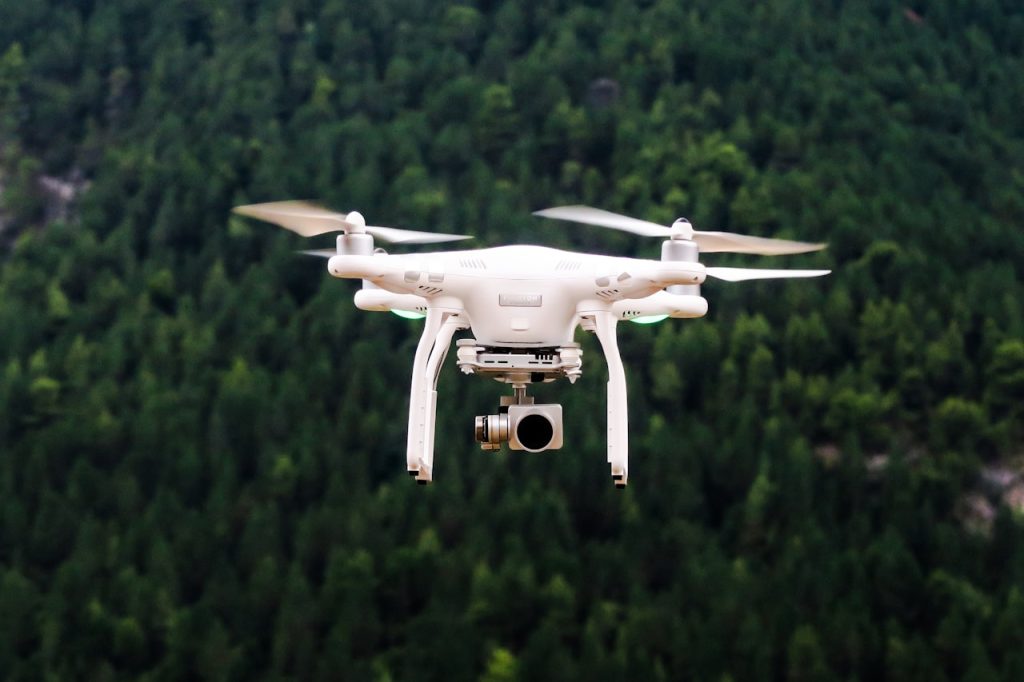
If you fly drones in the United States, enforcement just got real in a way it wasn’t before. The FAA has rolled out a tool called the DISCVR API, and it closes a gap that rogue pilots have quietly exploited for years: the disconnect between spotting an unauthorised drone in the air and identifying who’s flying it.
This isn’t a draft proposal sitting in a Federal Register notice. DISCVR is live, it’s already deployed with law enforcement agencies, and it changes what “getting caught” actually looks like in 2026.
What Is the FAA DISCVR API?
DISCVR stands for Drone Information System for Comprehensive Verification and Review. The name is bureaucratic. What it does is not complicated. It’s a secure API that lets authorised public safety agencies query multiple FAA databases at once using a drone’s Remote ID broadcast.
Here’s the problem it solves. Under the Remote ID rules, mandated since September 2023, most drones broadcast real-time data: the aircraft’s serial number, GPS position, altitude, and the location of the ground control station. That’s useful. But until DISCVR, an officer receiving that broadcast still couldn’t answer the most important field question: Who owns this drone, and are they legally cleared to fly here?
DISCVR answers that. Feed a drone’s Remote ID serial number into the system and an authorised officer gets back:
- The registered operator’s name and contact details from the FAA’s DroneZone database
- Whether the drone is properly registered
- Whether the pilot has an active LAANC authorisation for the airspace they’re in
- Whether any relevant waivers are on file
It correlates FAA registration data, LAANC authorisations, and waiver records into one compliance snapshot, in seconds, not days.
Why Remote ID Alone Wasn’t Enough
Remote ID was sold as the foundational accountability layer for drone operations. The aviation equivalent of a licence plate. In theory, anyone with a compatible receiver, whether a cop, an airport security team, or a curious bystander, could see the broadcast and know a drone was nearby.
In practice, the data told you where a drone was. Not much about whether it was legal to be there. An officer watching a drone circle overhead at a crime scene or critical infrastructure site could pull the serial number from its broadcast and then… file a request with the FAA, wait for a response, and hope the pilot hadn’t already packed up and walked away.
DISCVR kills that lag. It’s built for field use, not post-incident paperwork. That’s the shift that matters.
Who Gets Access, and Who Doesn’t
DISCVR is not public. Full stop. Access is restricted to government and military entities: federal, state, and local law enforcement agencies, public safety organisations, and authorised security personnel. Access goes through formal onboarding, often via DHS Fusion Centers.
Private security firms can’t use it. Airports can’t pull it up on their own. Event organisers are locked out.
Companies like Zing Drone Solutions are playing a bridging role, helping smaller local agencies navigate onboarding and pairing DISCVR access with field hardware like the Z-SCAN MINI, a portable Remote ID receiver that captures drone broadcast data and pipes it into a DISCVR query. It’s what turns a federal database into something a beat cop can actually use.
What This Means for Recreational and Commercial Pilots
If you’re flying legally, with a registered drone, current LAANC authorisation where required, and Part 107 certification for commercial work, DISCVR changes nothing for you. Your data is already in the FAA’s systems. A query will confirm compliance. You’ll never hear about it.
If you’re flying without registration, in controlled airspace without authorisation, or with a drone broadcasting incorrect Remote ID data. That’s where things get very uncomfortable very fast. DISCVR doesn’t create new rules. It creates new consequences for ignoring the ones that already exist.
The “I’ll land before anyone figures out who I am” strategy is done. Remote ID gives officers your serial number while you’re still airborne. DISCVR gives them your name, address, and compliance status by the time you’ve put the drone in your bag.
The Bigger Picture: Where US Drone Enforcement Is Heading
DISCVR isn’t a standalone product. It’s one piece of an enforcement infrastructure that’s been assembling, slowly then all at once, for several years.
Remote ID standardised the broadcast layer. LAANC built real-time authorisation for controlled airspace. DroneZone created the registration backbone. DISCVR connects them all, giving law enforcement a unified compliance view that didn’t exist before.
Last week in Da Nang, Vietnam, illegal tourist drone flights disrupted 83 commercial flights and triggered military intervention. That’s not a hypothetical. That’s what happens when enforcement infrastructure is absent or overwhelmed. The FAA knows the trajectory and DISCVR is part of the response.
The EU’s U-space framework is building toward similar real-time enforcement capabilities. Australia’s CASA has been progressively tightening its RPA rules. The DISCVR API is the US catching up to where aviation regulators have been heading globally for years.
What Legitimate Pilots Should Do Now
If your Remote ID compliance isn’t sorted, sort it now. Here’s the short version:
- Register your drone. Any drone over 0.55 lbs (250g) operating outdoors must be registered with the FAA via DroneZone. It costs $5 and is valid for three years.
- Confirm your drone broadcasts Remote ID. Drones manufactured after September 2022 must have built-in Remote ID. If you’re flying older hardware, you need a Remote ID broadcast module or must operate within FAA-Recognised Identification Areas (FRIAs).
- Use LAANC for controlled airspace. Apps like AirMap, Aloft, and DJI Fly integrate LAANC authorisation. Don’t fly in Class B, C, D, or surface E airspace without it.
- Know your Part 107 obligations if you’re flying commercially. The definition of “commercial” is broad: any flight in exchange for compensation, including trade or barter.
None of this is difficult if you’re already flying responsibly. Systems like DISCVR are designed to make consequences more certain for pilots who aren’t, not to create friction for the ones doing the right thing.
The Bottom Line
The FAA’s DISCVR API won’t make headlines the way a new aircraft does. But it matters more for day-to-day drone operations than most product launches this year.
Remote ID was the accountability layer. DISCVR is what accountability actually looks like when the infrastructure exists to act on it. For the vast majority of drone pilots, registered, careful, and flying legally, that’s a good development. Safer, better-enforced airspace benefits everyone who has a legitimate reason to use it.
For the rest: the clock on consequence-free illegal drone operations in US airspace is running out.