
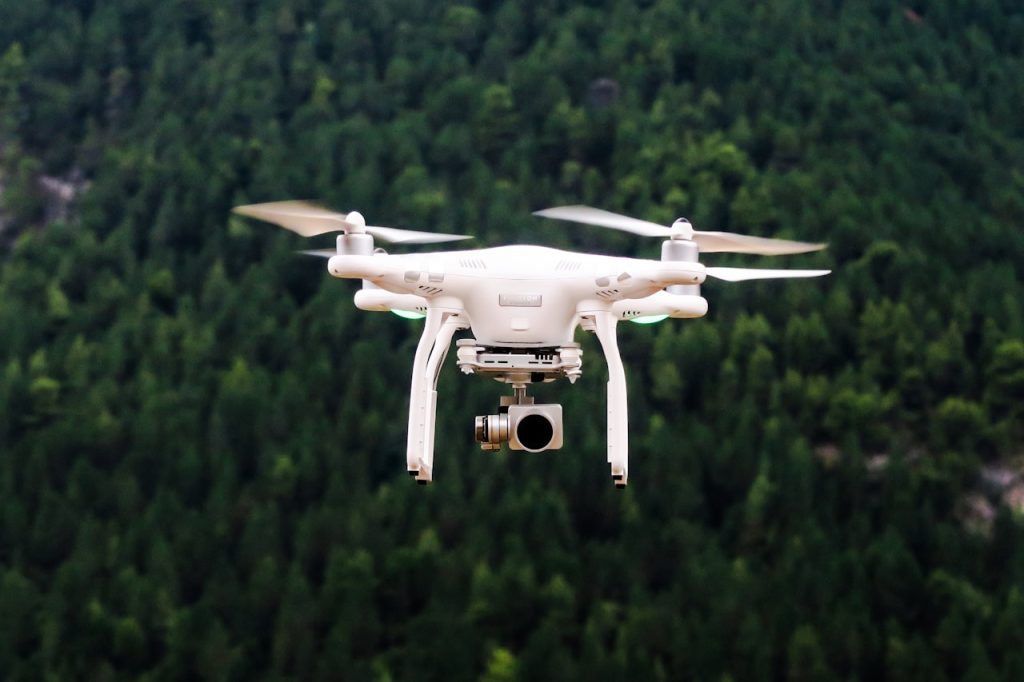
When DJI drops a new flagship, the drone industry pays attention. The Mavic 4 Pro, released in mid-2025, is the best camera drone DJI has ever shipped. After several weeks with it across a range of shooting conditions, I’m comfortable saying it’s the best portable aerial camera available at any price. That’s not a small claim. Here’s why it holds up.
What’s Actually New
The Mavic 3 Pro was an excellent drone. So the Mavic 4 Pro had a real floor to clear rather than just iterating on something mediocre. It clears that floor convincingly, starting with the camera system.
Three cameras, all built around large sensors. Where previous generations made compromises on the secondary lenses, treating the medium tele and long tele as acceptable rather than excellent, the Mavic 4 Pro treats all three as first-class optical systems. Hasselblad colour science runs across the entire set, which means you’re not sacrificing colour accuracy when you punch to a tighter focal length. For multi-camera aerial projects, that’s a meaningful real-world improvement over what came before.
The main wide camera shoots 6K video. All three lenses cover 4K. For stills, the sensor resolves fine detail with the dynamic range to back it up. This is a drone you can actually pull serious RAW files from and expect them to hold up in post.
Flight Performance and O4+ Transmission
The Mavic 4 Pro runs DJI’s O4+ transmission, an upgrade over the O4 in the Mavic 3 series. In practice, that means better range and improved signal stability in congested RF environments. Testing in coastal urban areas, which have interference from competing signals, dense building stock, and plenty of other drones, the feed held solid at distances where previous Mavic models would have started pixelating or dropping frames.
Flight time is approximately 45 minutes per battery in calm conditions. That’s among the best in the Mavic line and genuinely useful for long shoot days where you’re managing battery rotations. Wind resistance is rated to 12 m/s, and the drone handles moderate gusts without the nervous oscillations you see on lighter platforms.
Obstacle avoidance is omnidirectional and, crucially, it actually works. DJI’s APAS (Advanced Pilot Assistance System) in the Mavic 4 Pro navigates around obstacles smoothly, not with the jerky, overly conservative behaviour that plagued earlier implementations that would stop dead in front of a tree branch and demand manual intervention. It’s not a substitute for paying attention, but it’s a genuine safety net during complex autonomous shot sequences.
Image Quality: What the Numbers Actually Mean
The Hasselblad integration isn’t marketing decoration. Side-by-side comparisons between Mavic 3 Pro and Mavic 4 Pro footage reveal noticeably better highlight retention, more accurate skin tones, and improved shadow detail, particularly when shooting in D-Log M colour profile. The 6K resolution on the main sensor gives real downscale headroom for 4K delivery, and extra resolution matters when clients want usable frame grabs from video.
The medium and long tele lenses are where this drone separates itself from almost everything else in the portable market. Reframing dramatically without moving the aircraft, and maintaining consistent colour across all three focal lengths, is something wedding filmmakers, real estate shooters, and commercial cinematographers will immediately understand the value of. It’s not just having three lenses; it’s having three lenses that look like they came from the same colour science.
Low Light
Low-light performance is substantially better than the Mavic 3 Pro. Cleaner high-ISO footage, better noise handling in the dual-native ISO range. Golden hour and blue hour shooting, where drone cinematography produces its most striking results, is noticeably improved. If you shoot a lot of late-day or twilight content, this improvement alone justifies serious attention to the upgrade.
Who Should Actually Buy This
The Mavic 4 Pro is priced as a professional tool. The price is justified, but only for specific buyers, and it’s worth being honest about that.
Buy it if:
- You’re a professional photographer or cinematographer billing aerial footage as a service
- You’re a serious enthusiast willing to invest in the best image quality available in a portable form factor
- You’re upgrading from the Mavic 3 Pro and the multi-lens colour consistency issue has been bothering you in client work
Don’t buy it if:
- You fly recreationally and don’t need 6K or multi-lens capability. The Mini series gives you 90% of the flight experience at a fraction of the price
- FPV or speed is what you’re after. This is a camera tool, not a sport platform
- You’re operating in the US under DoD procurement restrictions. See our FCC drone ban article for the full context on where DJI equipment currently stands
The Competitive Position
The Autel EVO Lite+ comes up frequently as a Mavic 4 Pro alternative, but they’re targeting different buyers. Autel’s consumer lineup doesn’t match the Mavic 4 Pro’s multi-lens system or Hasselblad integration at this price tier. The real competitive question is whether Mavic 3 Pro owners should upgrade.
For new buyers entering the premium segment: yes, buy the Mavic 4 Pro without reservation. For Mavic 3 Pro owners with a solid existing workflow: the image quality gains are real. Better highlight handling, better colour across lenses, better low light. Only you can determine whether those gains justify the cost against your current work. But they are genuine improvements, not spec-sheet upgrades that disappear in practice.
Verdict
The DJI Mavic 4 Pro is the benchmark for portable camera drones in 2025. The triple-camera system with consistent colour science across all lenses is a real step forward. Combined with O4+ transmission, 45-minute flight time, and functional omnidirectional obstacle avoidance, it’s a drone that gets out of your way and lets you focus on composition and timing, which is exactly what a professional tool should do.
If you’re doing serious aerial work, whether stills, video, or both, and DJI is an option for your use case, this is the drone to own right now. Everything else is a trade-off.