
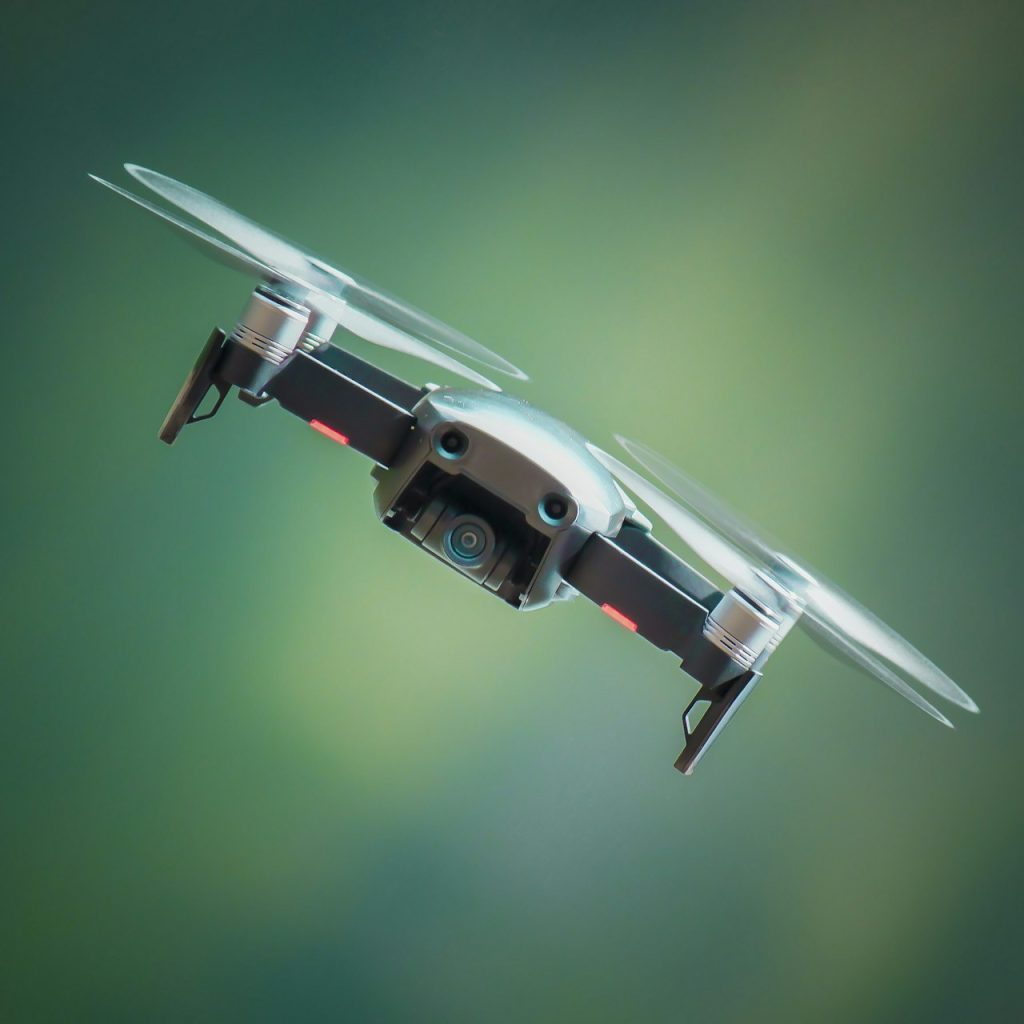
Australia’s drone regulatory framework is one of the more pragmatic ones in the world. That doesn’t mean it’s simple. CASA, the Civil Aviation Safety Authority, has been steadily refining its rules over the past several years, and 2025 continues that trend. Whether you fly for fun on weekends or run a commercial drone business, here’s the actual state of the rules and what they require from you.
Who Regulates Drones in Australia?
CASA has authority over all remotely piloted aircraft (RPA) operations in Australian airspace. That covers everything from a $300 beginner drone to a large commercial inspection platform. The rules apply equally to residents, visitors, businesses, and individuals.
The framework sorts operations by risk level: the drone’s weight, where you’re flying, and whether it’s a commercial operation all determine which rules apply to you. The basic structure divides operations into “excluded” (lower risk, lighter requirements) and “standard” (higher risk, more formal obligations).
Recreational Flying: The Rules That Actually Apply
Sub-2kg recreational operators have it relatively straightforward in Australia, but “no registration required” doesn’t mean “no rules apply.” The following constraints apply regardless of drone weight or purpose, and many recreational pilots consistently underestimate how seriously CASA treats them:
- Maximum altitude: 120 metres AGL (about 400 feet), measured from the surface directly below you
- People separation: At least 30 metres from uninvolved people at all times
- Airports and helipads: Stay outside 5.5 km of a controlled aerodrome unless you have specific CASA authorisation
- Daylight, visual line of sight: No night flying without approval; you need to see your drone with your own eyes at all times
- Crowds and public gatherings: Flying directly over groups of people is prohibited
- Emergency operations: If you see helicopters or emergency services working an incident nearby, land immediately
These are legally enforceable obligations, not suggestions. The 30-metre people separation rule is the one that catches most recreational pilots off-guard. It applies in parks, on beaches, and in suburban areas where other people are routinely present. Flying your drone at the beach while families are setting up towels around you is a CASA violation, full stop.
Excluded vs Standard Operations
Most recreational flyers sit in the “excluded” category: sub-2kg drone, visual line of sight, uncontrolled airspace, not over crowds. Excluded operations have the lightest regulatory requirements.
Standard category operations involve flying heavier drones, operating in more complex airspace, or conducting activities with greater risk. Standard category operators generally need additional documentation, formal operational procedures, and in many cases a Remote Pilot Licence (RePL). If your operations are moving into any of these areas, including heavier platforms, work near infrastructure, or beyond-visual-line-of-sight requests, you’re likely in standard territory and need to check your obligations carefully.
Commercial Operations and the RePL System
If you’re being paid to fly, directly or indirectly, you’re operating commercially, and different rules apply. Commercial operators in Australia need a Remote Pilot Licence (RePL) issued by a CASA-approved training organisation, plus either an operator’s certificate through a certified RPA operator (a ReOC holder) or their own ReOC for solo commercial operations.
The RePL pathway involves ground school, practical flight assessment, and a CASA knowledge exam. It’s not trivial, but it’s achievable for anyone serious about professional drone work. The training itself covers airspace, meteorology, emergency procedures, and operational risk management. It’s genuinely useful knowledge that makes you a better and safer operator, not just bureaucratic box-ticking.
What “Commercial” Actually Means
CASA’s definition of commercial operation is broader than most pilots expect. If you post drone footage to a monetised YouTube channel, sell prints of aerial photographs, or fly for a business that derives commercial benefit from your footage, even if that’s indirect, this can qualify as commercial operation. The test isn’t whether someone handed you cash directly; it’s whether there’s a commercial benefit involved.
When in doubt, check with CASA directly or consult a qualified aviation consultant before assuming your situation is recreational. Operating commercially without a RePL creates real legal and insurance exposure. It’s not worth the risk.
Remote ID: Coming to Australia
Remote ID, a system that broadcasts a drone’s identification and position to authorities and other receivers in the area, is already mandatory in the United States for most operations and is being rolled out across Europe. Australia is tracking these developments, and CASA has signalled that Remote ID requirements are coming domestically. As of mid-2025, specific timelines for mandatory implementation were still under consultation.
Practically speaking: if you’re buying a new drone now, choose one with Remote ID capability built in. Drones sold in the US market after 2023 are required to include it, which means most current-generation consumer drones from major manufacturers already have it. This future-proofs your purchase against upcoming Australian requirements.
The Mistakes Australian Pilots Keep Making
Based on CASA enforcement actions and community reports, these are the violations that come up most often:
- Flying near airports without authorisation: the 5.5 km exclusion zone around controlled aerodromes is larger than most pilots picture. Pull it up on a map for your local area if you haven’t done it recently.
- Flying over beaches and parks: popular recreational areas are often heavily populated. The 30-metre people separation rule applies everywhere, including the spots where you’d most want to fly.
- Night flying without approval: recreational operators need CASA approval to fly at night. Most don’t get it. Most also get away with it until they don’t.
- Assuming national parks are open airspace: many Australian national parks have specific drone prohibitions that sit on top of, and are separate from, CASA’s standard rules. Check with the park authority before you go, not when you arrive.
How to Check Airspace Before You Fly
CASA’s “Can I fly there?” tool at casa.gov.au is the right starting point for any pre-flight airspace check. It’s a map-based tool showing controlled airspace, restricted areas, national parks, and other relevant zones for any Australian location. Use it every time, not just for unfamiliar locations.
For more detailed operational planning, apps like AirShare (widely used across Australia and New Zealand) and OpenSky provide real-time airspace information with NOTAM integration. These should be part of your pre-flight routine. Checking airspace after you’ve driven an hour to a location isn’t a pre-flight check. It’s wishful thinking.
The Penalties: Take Them Seriously
CASA can impose civil penalties of up to $11,100 AUD for serious rule breaches. Criminal penalties and prosecution are available for the most serious cases. CASA also has authority to immediately ground aircraft and issue infringement notices on the spot.
Enforcement has increased steadily alongside drone uptake. The assumption that no one is watching has gotten a lot of pilots into trouble in recent years, particularly near airports and populated areas where complaints drive CASA attention. It’s not worth the fine, and it’s certainly not worth the impact on the broader drone community’s access to airspace.
The Practical Bottom Line
Flying drones legally in Australia is achievable for almost anyone willing to understand the rules. They make sense once you understand what they’re protecting: separation from manned aircraft, protection of uninvolved people, and clear airspace for emergency operations.
Do your pre-flight checks. Use CASA’s airspace tool. Keep 30 metres from people. Stay at or below 120 metres. If you follow those four things, you’ll be operating legally in the vast majority of Australian locations.
If commercial work is where you’re headed, get the RePL. The credential is worth having, the training is genuinely useful, and operating commercially without it creates legal and insurance exposure that one client job doesn’t justify. Do it properly or don’t do it commercially.