
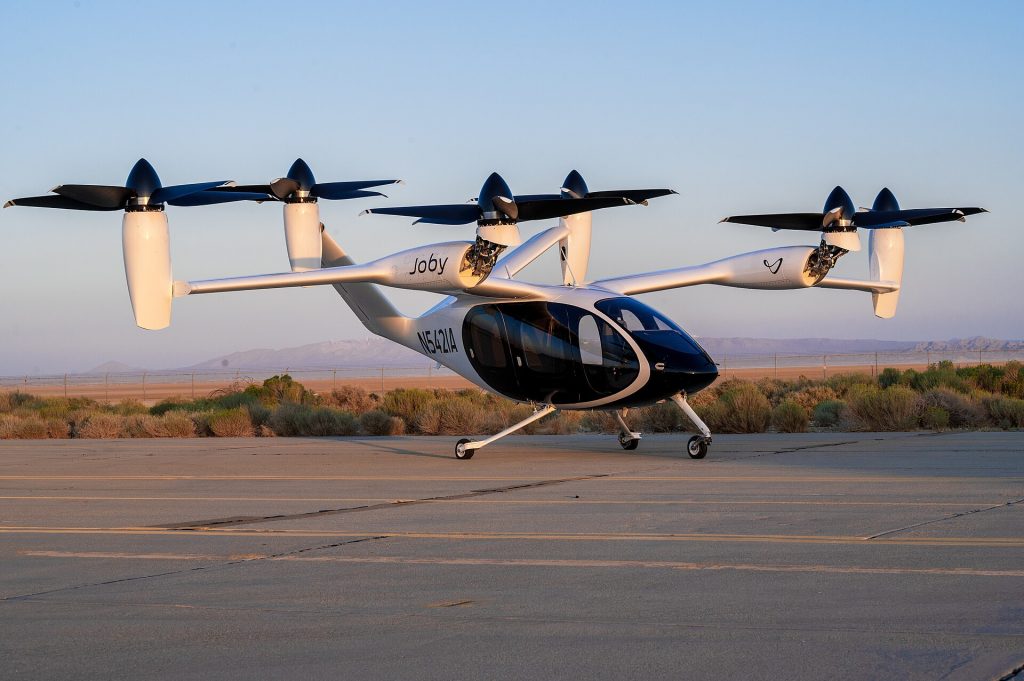
On October 22, 2026, the Federal Aviation Administration released draft Advisory Circular AC 150/5390-4, titled “Vertical Flight Aircraft Infrastructure Design.” The document establishes unified federal engineering standards for civil infrastructure supporting vertical takeoff and landing aircraft, consolidating decades of disparate heliport rules and interim engineering briefs into a single regulatory framework.
Consolidation of Vertical Lift Standards
The draft circular merges guidance from AC 150/5390-2 (Heliport Design) and Engineering Brief 105A (Vertiport Design). Rather than maintaining fragmented design recommendations across rotorcraft and emerging electric vertical takeoff and landing architectures, AC 150/5390-4 creates a standardized baseline across multiple vehicle classes, including:
- Conventional Rotorcraft: Single, tandem, and dual-rotor helicopters operating in commercial and private sectors.
- Powered-Lift Aircraft: Tiltrotor and vectored-thrust configurations transitioning between vertical lift and wing-borne flight.
- Special Class eVTOL Vehicles: Distributed electric propulsion architectures operating with pilot-on-board configurations under visual meteorological conditions.
Core Engineering and Safety Specifications
AC 150/5390-4 defines clear dimensional, structural, and electrical parameters required for vertiport site approval and federal funding eligibility:
- Operating Geometries: Standardized sizing for the Touchdown and Liftoff (TLOF) area and the surrounding Final Approach and Takeoff (FATO) zone, calculated relative to the design aircraft controlling dimension (D-value) and maximum takeoff weight (MTOW).
- Airspace Obstacle Protection: Alignment with 14 CFR Part 77 imaginary surfaces, specifying approach, departure, and transitional surface slopes (including standard 8:1 approach angles extending 4,000 feet) to guarantee obstacle clearance during nominal and rejected landings.
- Downwash and Outwash Mitigation: Protection zones tailored to mitigate high-velocity turbulent airflow generated by multi-rotor distributed propulsion systems, protecting ground personnel, charging hardware, and adjacent structures.
- Megawatt-Scale Charging Systems: Safety protocols and site layouts for high-voltage DC fast-charging infrastructure, battery thermal runaway containment, and distributed energy resource integration.
- Airport Co-Location: Siting criteria for vertiports located on federally obligated commercial airports, mandating precise lateral separation from active runways and taxiways to prevent wake turbulence interference.
- Elevated and Rooftop Vertiports: Structural load-bearing ratings, dynamic impact tolerances, and dedicated emergency egress corridors for elevated landing decks.
Industry Review and Next Steps
The FAA opened a formal public comment period running through January 11, 2027. A virtual Industry Day is scheduled for November 10, 2026, where agency engineers from the Office of Airports will review technical feedback with manufacturers, airport authorities, and municipal planners.
Final publication of AC 150/5390-4 is targeted for summer 2027. Telemetry and operational data collected from the FAA eVTOL Integration Pilot Program across 26 states will inform further revisions prior to final codification.